




Sale!
BEST SELLERS
Original price was: $19.99.$3.00Current price is: $3.00.
Sale!
BEST SELLERS
Price range: $2.50 through $4.00
Sale!
BEST SELLERS
Original price was: $24.99.$3.00Current price is: $3.00.
Sale!

BEST SELLERS
Original price was: $19.99.$3.00Current price is: $3.00.
Sale!
BEST SELLERS
$3.00
Sale!
BEST SELLERS
Original price was: $24.99.$3.00Current price is: $3.00.
Sale!

BEST SELLERS
Original price was: $16.99.$3.00Current price is: $3.00.
Sale!
BEST SELLERS
Original price was: $22.99.$3.00Current price is: $3.00.
Sale!
BEST SELLERS
Original price was: $24.99.$9.50Current price is: $9.50.
Sale!

BEST SELLERS
Original price was: $22.99.$3.00Current price is: $3.00.
Sale!
BEST SELLERS
Original price was: $19.99.$3.00Current price is: $3.00.
Sale!
BEST SELLERS
Original price was: $19.99.$3.00Current price is: $3.00.
Sale!
BEST SELLERS
Original price was: $20.99.$3.00Current price is: $3.00.
Sale!
BEST SELLERS
Original price was: $19.99.$3.00Current price is: $3.00.
Sale!
BEST SELLERS
Original price was: $16.99.$3.00Current price is: $3.00.
Sale!
BEST SELLERS
Price range: $15.00 through $16.00
Sale!
BEST SELLERS
Original price was: $19.99.$3.00Current price is: $3.00.
Sale!
BEST SELLERS
Original price was: $19.99.$3.00Current price is: $3.00.
Sale!
BEST SELLERS
Original price was: $16.99.$3.00Current price is: $3.00.
Sale!
BEST SELLERS
Original price was: $22.99.$3.00Current price is: $3.00.
Sale!
BEST SELLERS
Original price was: $19.99.$3.00Current price is: $3.00.
Sale!
BEST SELLERS
Original price was: $16.99.$3.00Current price is: $3.00.
Sale!
BEST SELLERS
Original price was: $19.99.$3.00Current price is: $3.00.
Sale!
BEST SELLERS
Original price was: $22.99.$3.00Current price is: $3.00.
SHOP BY CATEGORY
NECKLACES
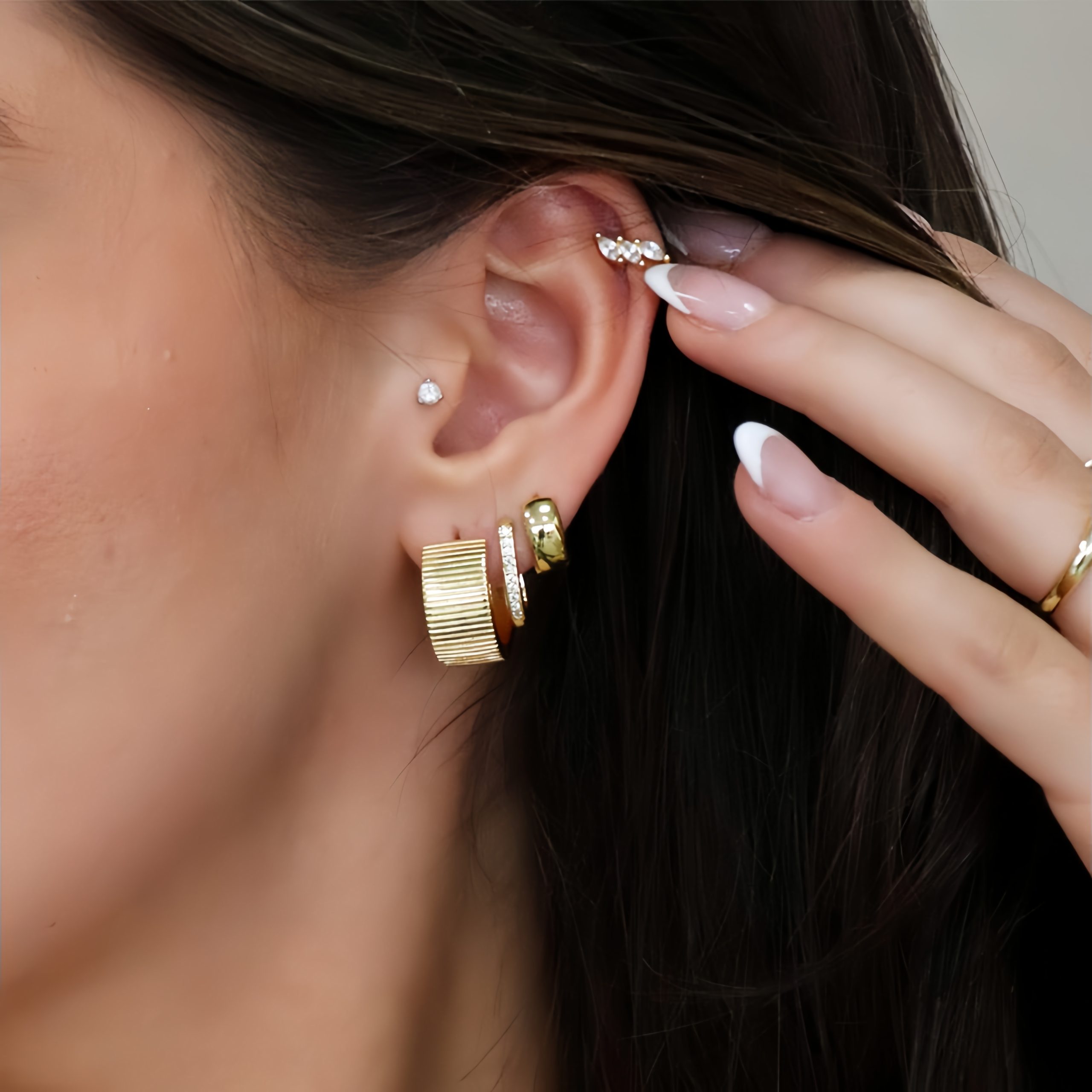
EARRINGS
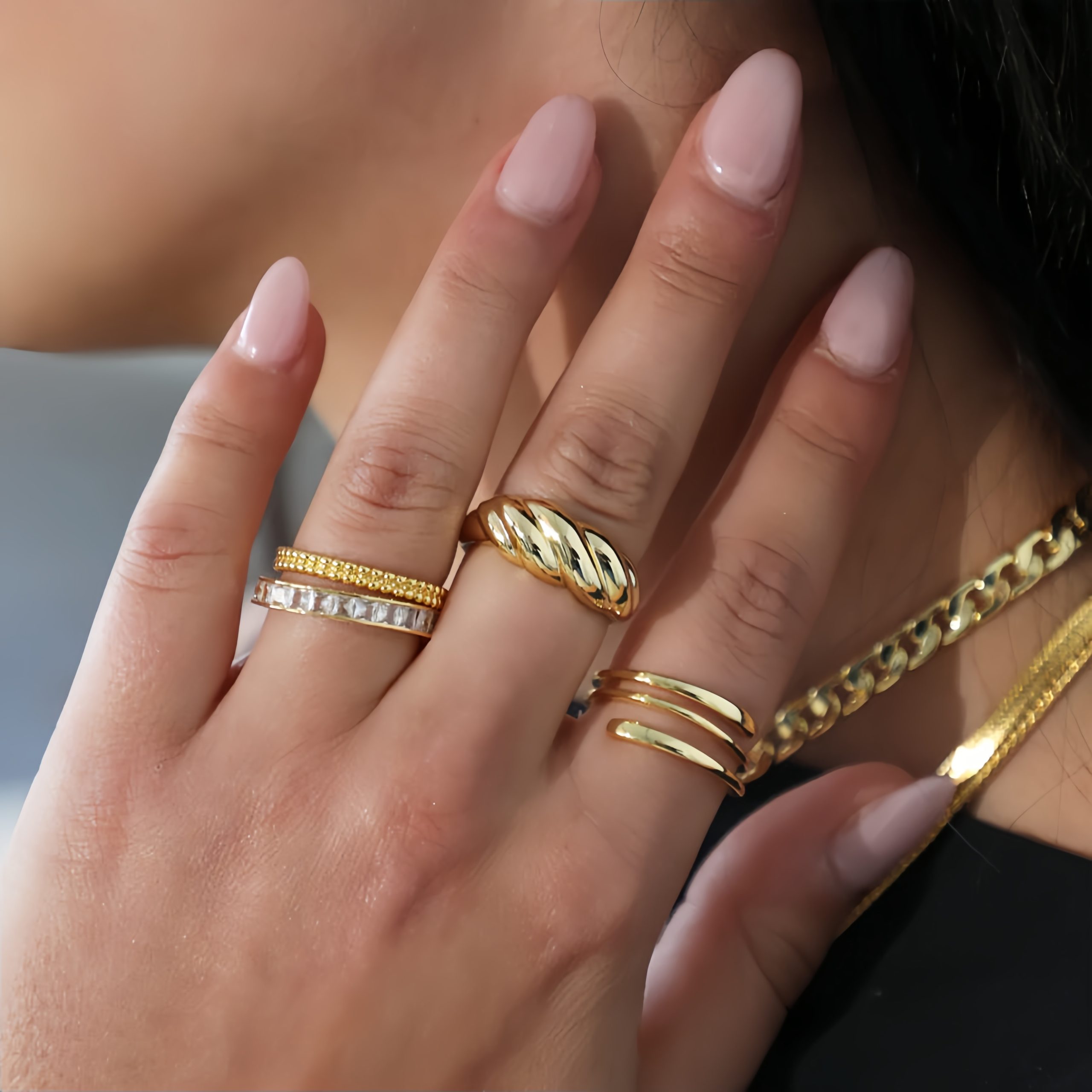
RINGS
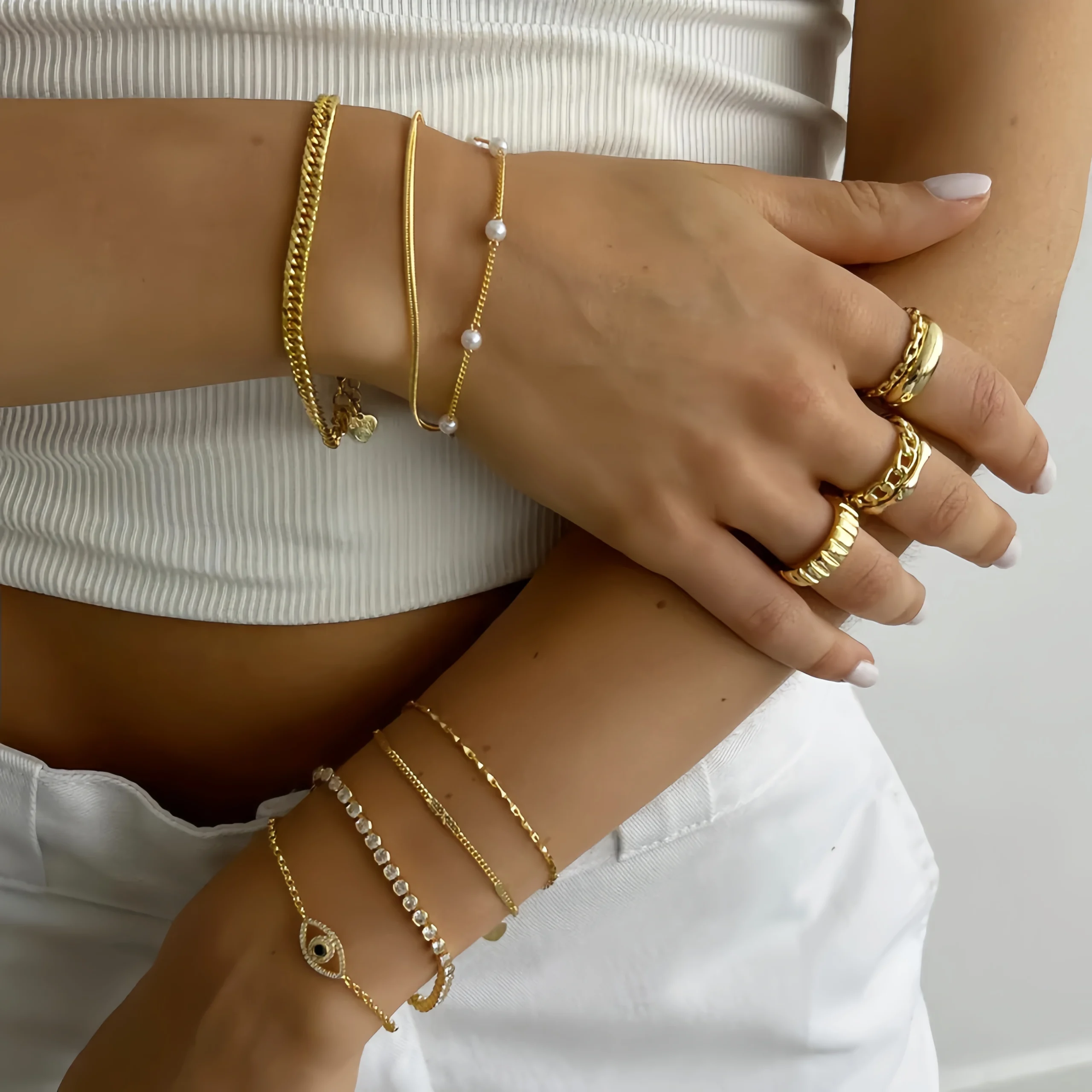
BRACELETS
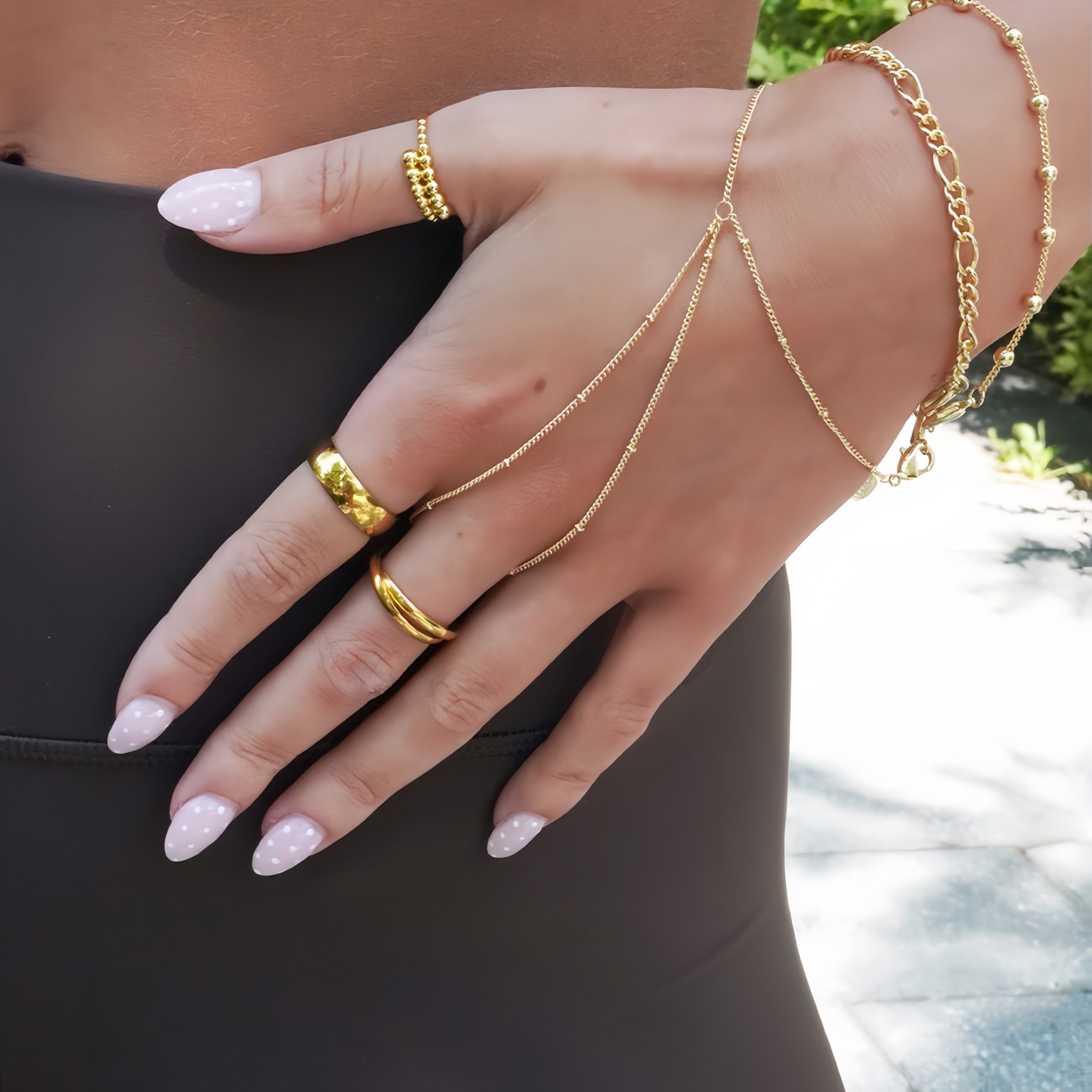
HAND CHAINS
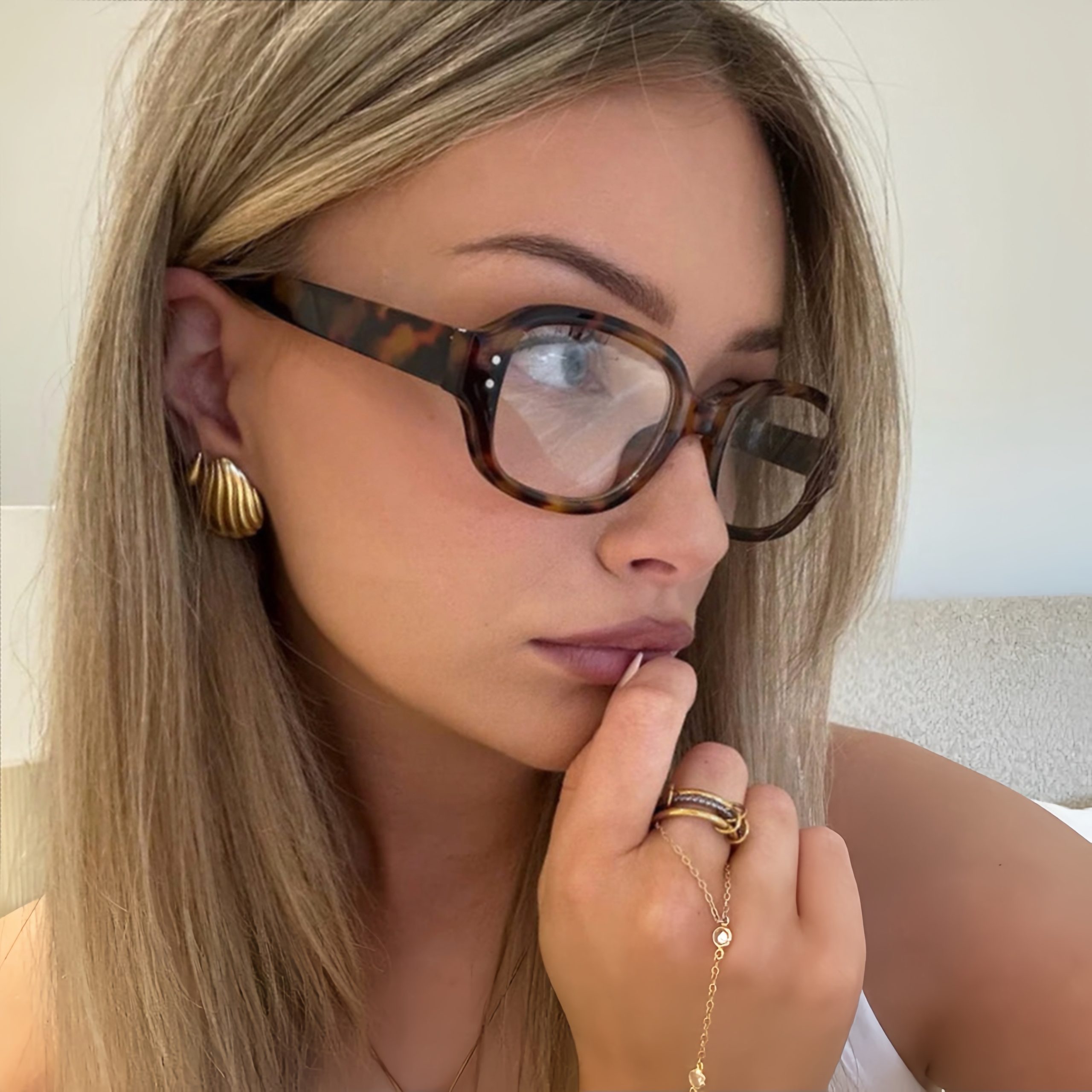
ACCESSORIES
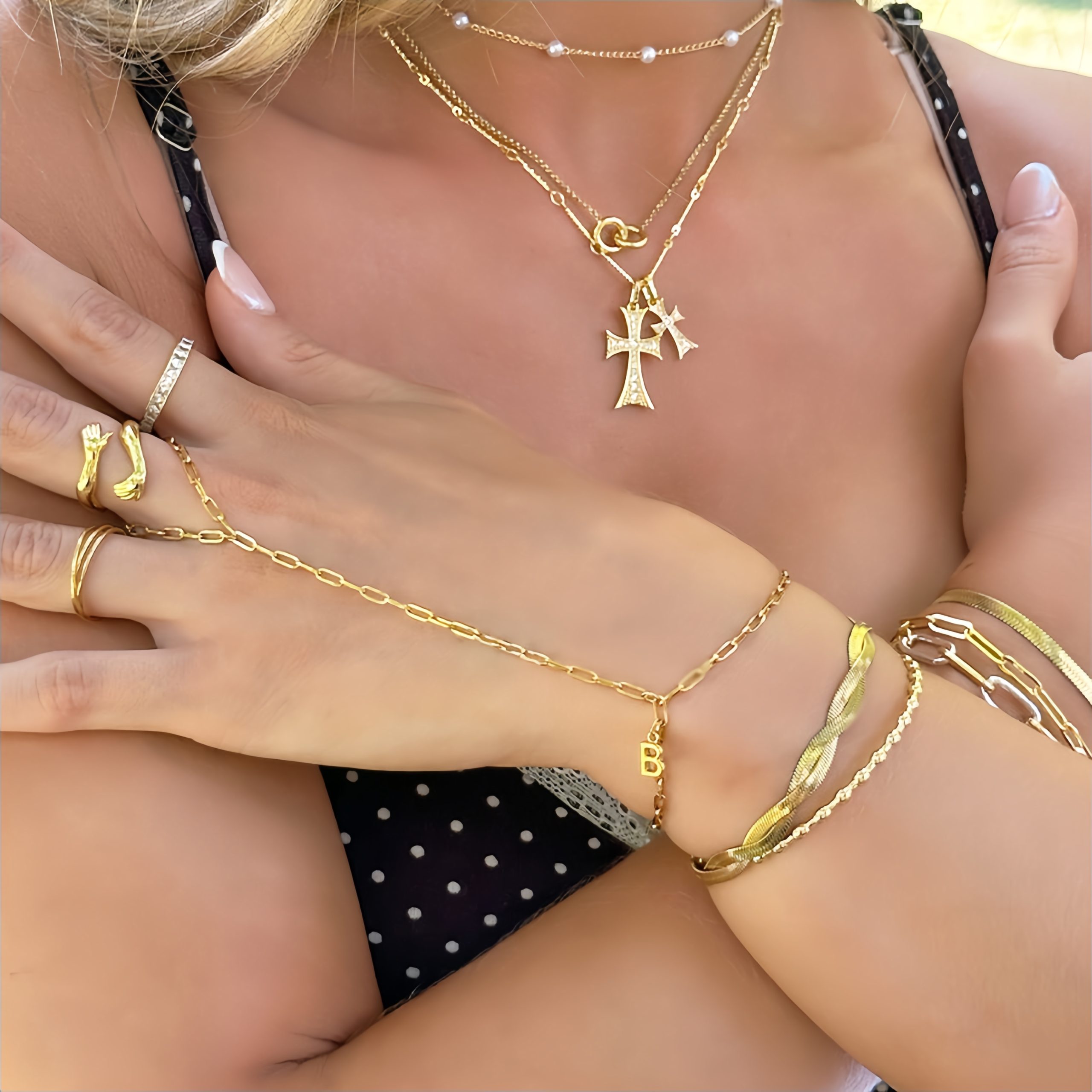
JEWELRY BUNDLES
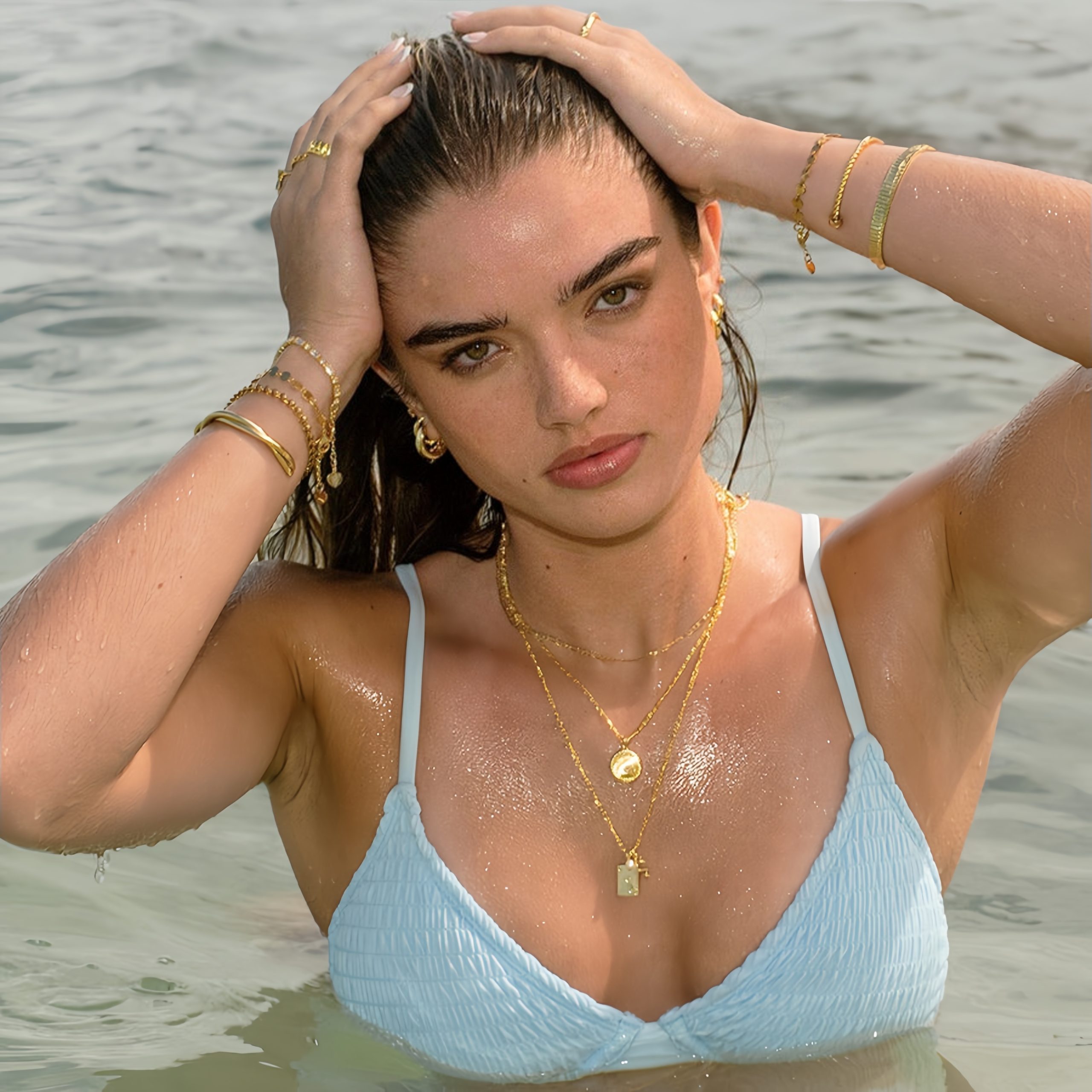
WATERPROOF
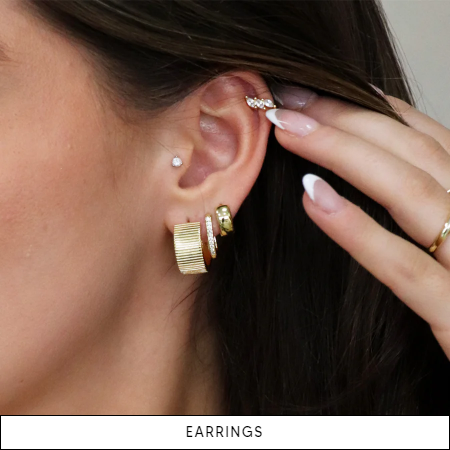
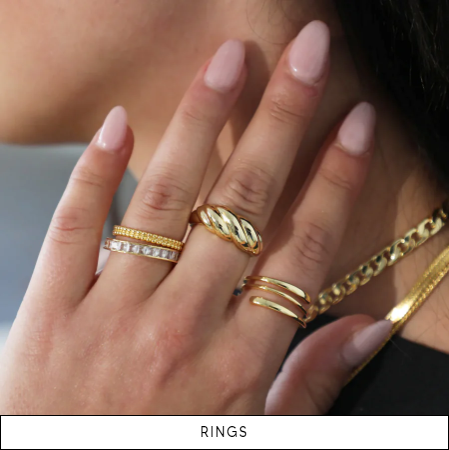
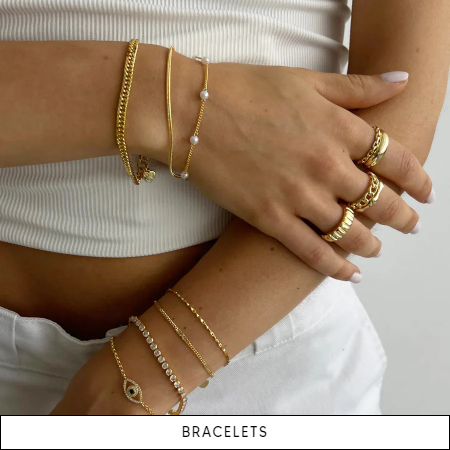
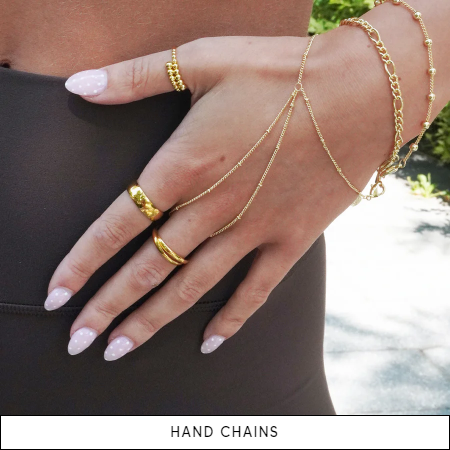
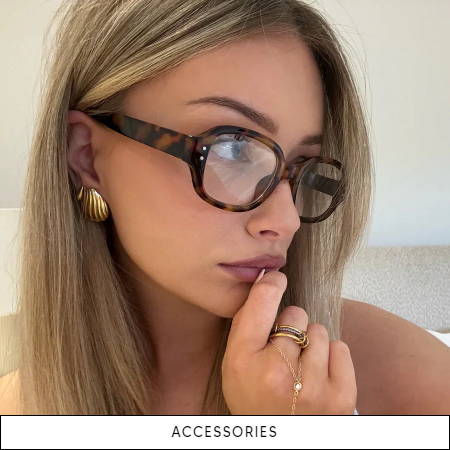
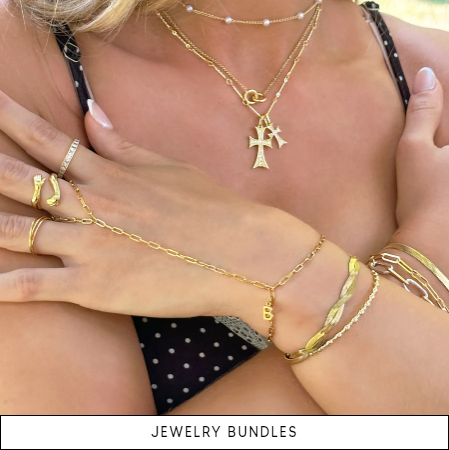
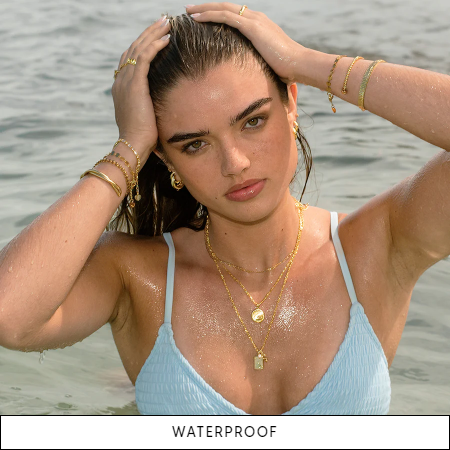
Shop The Latest Drop
Sale!
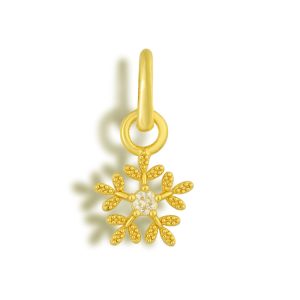
EVRY DEALS
Price range: $2.00 through $3.00
Sale!
BEST SELLERS
Original price was: $16.99.$3.00Current price is: $3.00.
Sale!
BEST SELLERS
Original price was: $16.99.$3.00Current price is: $3.00.
Sale!
BEST SELLERS
Original price was: $19.99.$3.00Current price is: $3.00.
Sale!
BEST SELLERS
Original price was: $19.99.$7.50Current price is: $7.50.
Sale!
BEST SELLERS
Original price was: $19.99.$3.00Current price is: $3.00.
Sale!
BEST SELLERS
Original price was: $19.99.$3.00Current price is: $3.00.
Sale!
BEST SELLERS
Original price was: $22.99.$3.00Current price is: $3.00.
Sale!
BEST SELLERS
Original price was: $19.99.$3.00Current price is: $3.00.
Sale!
BEST SELLERS
Original price was: $19.99.$3.00Current price is: $3.00.

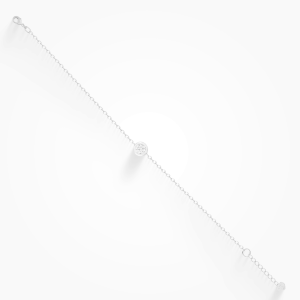
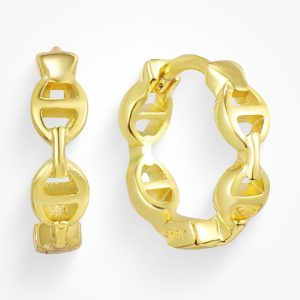
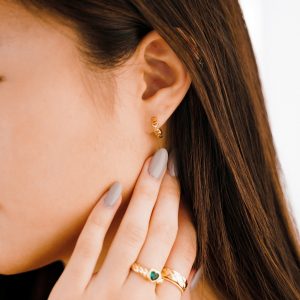
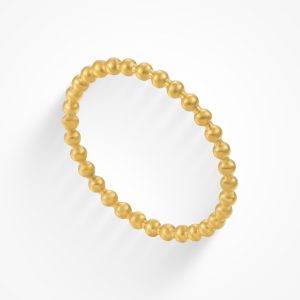


The Intricate Anatomy of Fine Jewelry – Exploring Craftsmanship, Investment, and Longevity
Title: Beyond the Sparkle: An In-Depth Examination of Fine Jewelry’s Structure, Value, and Heritage
Fine jewelry occupies a unique niche, straddling the worlds of fashion, finance, and artistry. Its enduring value is not merely a function of the materials used, but a culmination of design integrity, manufacturing excellence, and inherent durability. Understanding the anatomy of a piece—from the metallurgy of its setting to the precise geometry of its stone cut—is essential to appreciating its true worth, both as a luxury object and as a lasting investment.
The foundation of any enduring piece of jewelry is the metal. While gold is the most iconic, the variations in its composition are crucial. Pure gold is too soft for daily wear, necessitating its blending with other metals—an alloy—to impart strength. The karat system quantifies this purity: 24K is pure gold, while 18K (75% pure) and 14K (58.3% pure) offer the optimal balance of richness and resilience for lasting fine jewelry. The choice of alloy also determines the color—yellow, white (often alloyed with palladium or nickel), and the increasingly popular rose (alloyed with copper) all present different aesthetic profiles but must adhere to stringent standards of strength. Platinum, a metal of exceptional density and rarity, is often preferred for diamond settings due to its superior strength and bright white color that will not fade or require re-plating, a maintenance often necessary for white gold. The physical properties of the chosen metal dictate the piece’s longevity and care requirements.
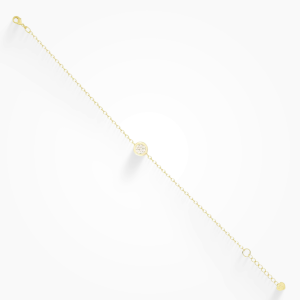
The true test of craftsmanship lies in the setting—how the gemstones are secured. This is where engineering and art converge. The most common settings, each with a specific purpose and aesthetic effect, include: Prong Settings, which maximize light entering the stone for brilliance but can be more exposed; Bezel Settings, where a thin metal rim encircles the stone, providing maximum protection and a sleek, modern look; Pave Settings, where tiny stones are set close together, held by miniature beads of metal to create a continuous surface of sparkle, akin to a paved road; and Channel Settings, where stones are set flush between two strips of metal, offering a secure, linear arrangement ideal for bands. The quality of the setting directly impacts the stone’s security and the piece’s overall durability. A poorly finished setting can snag on clothing or, worse, compromise the integrity of the mounted stone.
The cornerstone of fine jewelry, of course, is the gemstone itself. Evaluating gemstones goes far beyond simple size. The widely accepted standard of the Four Cs (Carat, Cut, Color, Clarity) provides a framework for valuation, yet the Cut is arguably the most transformative factor. The cut is not the shape (e.g., round, princess, cushion) but the proportions, symmetry, and polish of the stone’s facets. A masterfully executed cut maximizes the stone’s brilliance (the reflection of white light), fire (the dispersion of light into spectral colors), and scintillation (the flashes of light and dark as the stone moves). A stone with poor proportions, regardless of its inherent color or clarity, will appear dull and lifeless. The artistry of the cutter is what unlocks the stone’s potential, transforming a rough mineral into a dynamic light source.
Beyond the visible elements, fine jewelry is increasingly tied to the provenance and ethical sourcing of its materials. Modern consumers are driving a demand for transparency, requiring a clear lineage for metals and stones to ensure they are sourced responsibly and sustainably. This focus elevates the intrinsic value of a piece, transforming it from a simple commodity into an item that reflects a commitment to global ethics. A piece of jewelry that carries not only the beauty of the earth but also a clear, positive social impact is inherently more valuable to the contemporary wearer.
From an investment perspective, fine jewelry holds a unique position. Unlike fashion items, which depreciate quickly, well-crafted pieces using high-quality materials tend to retain or increase in value over time, provided they are properly maintained. This makes them a form of wealth preservation, a tangible, portable asset that transcends fleeting market conditions. The longevity of fine jewelry is not an accident; it is the result of intentional design and uncompromising craftsmanship. It is the ability of a piece to withstand the tests of time, fashion, and wear that truly defines its worth.
In essence, when one acquires a piece of fine jewelry, they are purchasing more than precious materials. They are investing in the skill of the artisan, the geological history of the earth, the reliability of a carefully constructed object, and a tangible piece of personal heritage designed to outlive its original owner. The enduring allure is rooted not just in its sparkle, but in its complex and beautiful anatomy.